Forklift Tyres: A Straightforward Fleet Guide to Performance, Safety, and Keeping Costs Down
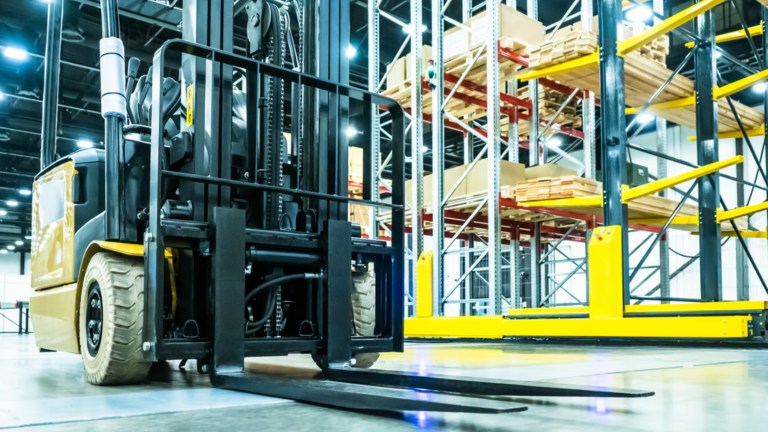
A forklift doesn’t have springs, struts, or a suspension system. That means the rubber under the wheel rims is the only barrier separating multiple tons of steel and shifting cargo from concrete floors. When the forklift tyres wears down, every bump transfers straight into the mast, the steering linkage, and the operator’s spine.
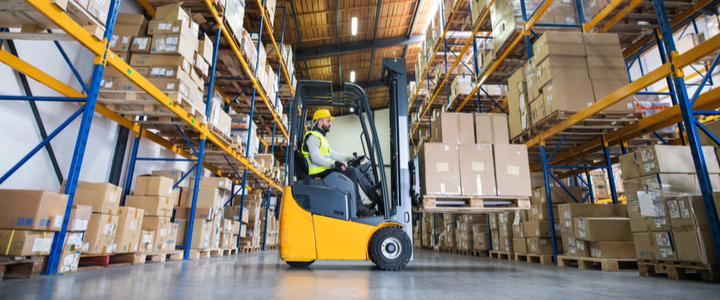
At American Forklifts, we talk to warehouse managers every week who treat tyres as an afterthought—usually right up until an axle snaps or a lift truck starts tipping on a wet loading dock. Whether you are running indoor electric reach trucks through tight racking aisles or moving heavy timber across gravel yards, here is what you need to know about picking, maintaining, and replacing forklift tyres without burning through your equipment budget.
Everything about Forklift Tyres
1. The Main Types of Forklift Tyres
You can’t just slap any tyre onto a lift truck and expect it to roll properly. Tread design, casing density, and compound chemistry must match the floor beneath the machine:
- Solid Cushion Tyres: Solid rubber molded around a rigid steel band. They sit close to the floor, offer an ultra-tight turning circle, and never puncture, making them the standard pick for smooth indoor warehouses.
- Standard Air Pneumatics: Built just like heavy-duty truck tyres with an internal air chamber. The deep tread digs into gravel, mud, and uneven dirt yards while giving the driver natural shock absorption.
- Solid Pneumatic (Resilient) Tyres: Solid puncture-proof rubber shaped into pneumatic dimensions. They conquer scrap metal yards and lumber facilities where stray nails and debris would constantly ruin standard pneumatic tubes.
- Polyurethane Tyres: Tough synthetic compound cast directly onto steel rings. They are built specifically for indoor electric equipment like order pickers and walkie stackers operating on level, sealed concrete.
- Non-Marking Compound Tyres: Made with natural rubber and silica instead of carbon black. They keep food facilities, electronics plants, and cleanrooms from getting covered in black rubber skid trails.
2. Head-to-Head Comparison: Solid, Pneumatic, and Polyurethane
Different tyre constructions handle floor friction and heavy loads in completely different ways. Here is how they stack up across everyday operating conditions:
Table: Forklift Tyres Comparison
| Feature & Operating Factor | Solid Cushion | Air Pneumatic | Solid Pneumatic | Polyurethane |
| Best Operating Surface | Polished concrete & indoor bays | Uneven outdoor yards & gravel | Demolition, scrap, & rough yards | Flat, dry indoor warehouse slabs |
| Risk of Flats & Downtime | None (solid rubber) | High (punctures from metal/nails) | None (solid rubber build) | None (solid synthetic compound) |
| Ride Comfort & Bounce | Low (rigid, stiff ride) | High (air cushions impacts) | Medium (firmer than air) | Very low (rigid wheel profile) |
| Chassis Profile & Clearance | Low profile, tight turns | High ground clearance | High ground clearance | Lowest profile, tightest turns |
| Battery / Fuel Drag | Average | Moderate to high (shifts with PSI) | Average | Extremely low rolling resistance |
| Day-to-Day Maintenance | Quick visual wear checks | Regular pressure checks & patches | Visual checks only | Visual checks; clear floor debris |
3. How Tyres Affect Driver Health and Machine Lifespan
Saving fifty bucks on cheap or badly worn tyres usually ends up costing thousands in fleet repairs and lost productivity. When rubber wears thin, the forklift absorbs harsh shocks that cause real damage:
- Shaking the Mast and Hydraulics: Worn rubber sends violent jarring straight through the carriage bearings, lifting chains, and hydraulic seals, loosening hardware and wearing pins out well before their time.
- Driver Fatigue and Chronic Aches: Without suspension, an operator absorbs thousands of jolts a day across dock plates and floor joints. Good tyres cut down back pain, joint soreness, and the fatigue that leads to afternoon warehouse accidents.
- Chassis Balance and Tip-Overs: Forklifts carry weight on an unstable three-point stability triangle. If one tyre wears faster than the others, or a pneumatic tyre suddenly loses air under load, the machine can roll over in seconds.
4. Clear Signs It Is Time for a Replacement
Never wait until a tyre falls apart to swap it out. Make it a habit during daily walkaround inspections to look out for these warning signs:
- Hitting the 50% Safety Wear Line: Most solid tyres have a safety line or raised letters molded into the sidewall. Once the tread surface wears down level with that mark, the tyre has lost its rated stability and needs to come off.
- Missing Chunks and Cracking: Catching pallet corners, steel dock boards, or loose strap bands tears rubber right out of the casing. Deep cracks and chunked voids cause severe wheel wobble under load.
- Flat Spots and Core Separation: Slamming on the brakes at speed flat-spots the tyre, giving the driver a rhythmic thumping ride. Meanwhile, oil leaks left on the rubber will soften the compound until it peels right off the steel core.
5. Practical Habits to Make Tyres Last Longer
Tyres don’t have to wear out every few months. A few adjustments in daily warehouse habits can easily add 25% or more to their service life:
- Keep Tabs on Air Pressure: If you run pneumatic tyres, check cold pressure every single week. Under-inflated tyres overheat and chew through tread shoulders, while over-inflated tyres bounce erratically and lose traction.
- Keep the Aisles Clear: Nails, pallet splinters, plastic wrap, and hydraulic fluid puddles destroy tyre compounds. Sweeping main travel lanes takes minutes and prevents costly chunking.
- Coach Drivers on Cornering: Spinning drive wheels, taking sharp turns with heavy loads, and sliding into sudden stops shreds tread quickly. Smooth acceleration and steady braking preserve tread for hundreds of extra operating hours.
6. How to Pick the Right Setup for Your Fleet
Before signing a purchase order for fresh tyres, verify these mechanical and job-site details:
- Match Your Rim Type: A cushion tyre cannot mount onto a pneumatic wheel rim, and vice versa. Always check your forklift’s data tag to see whether it runs press-on bands, two-piece split rims, or lock-ring assemblies.
- Look at the Running Surface: If your forklift spends half its day climbing steep outdoor ramps or crossing rutted dirt, you need the diameter and tread bite of pneumatic or solid pneumatic rubber. If you stay on indoor polished concrete, stick with cushion or polyurethane.
- Check the Truck’s Power Plant: Electric forklifts benefit greatly from polyurethane or low-drag rubber compounds that stretch out battery charge between shifts. Heavy internal combustion trucks working outdoors need rugged solid pneumatics that can withstand heat and grit.
Frequently Asked Questions – Forklift Tyres Comparison
What makes solid forklift tyres different from pneumatic ones?
Solid tyres are molded through-and-through with dense rubber or resilient synthetic blends bonded to a steel ring, meaning they physically cannot get a flat tyre. Pneumatic tyres use an air-filled inner tube or tubeless casing just like a work truck. Pneumatics cushion the ride much better outdoors, but solid tyres eliminate downtime from punctures on scrap-strewn floors.
Can you put solid tyres onto pneumatic rims?
You cannot press standard cushion tyres onto pneumatic wheels because the rim diameters and locking profiles are completely different. However, you can install solid pneumatic tyres (sometimes called resilient tyres). These are puncture-proof solid rubber tyres shaped into standard pneumatic dimensions so they drop right onto split or lock-ring pneumatic rims.
How often should forklift tyres be changed?
There is no set expiration date because operating conditions vary wildly. A lift truck rolling across clean warehouse epoxy might get 3,000 hours out of a set, while one grinding over hot asphalt in an outdoor yard might chew through them in 1,000 hours. The golden rule is simple: replace them as soon as the tread hits the molded 50% wear line, or earlier if you notice deep structural chunking or radial separation.
What are non-marking tyres, and why are they used?
Non-marking tyres use natural rubber mixed with silica or chalk rather than standard carbon black. Warehouses handling packaged foods, medical supplies, consumer retail goods, and pharmaceuticals use them to prevent unsightly black rubber skid marks across sealed, light-colored floors.
Why shouldn’t you run polyurethane tyres outside?
Polyurethane is a hard, dense plastic compound with virtually zero cushion and very little ground clearance. On outdoor asphalt, gravel, or rough concrete, the rigid wheels send severe shocks through the lift truck, chip easily on stones, and spin out the moment the ground gets damp or slick.
What causes forklift tyres to wear down fast?
The biggest culprits are bad driving habits (aggressive spins, speeding, hard lock-ups), running pneumatic tyres with low air pressure, carrying loads over the truck’s rated limit, and letting operators roll over broken pallet scraps and steel bandings scattered across warehouse aisles.
How do you decipher forklift tyre size numbers?
Cushion tyres usually show a three-digit sequence representing Outer Diameter x Width x Rim Diameter in inches (for instance, 21 x 7 x 15 means a 21-inch outer diameter, a 7-inch tread width, and a 15-inch rim). Pneumatic and solid resilient tyres generally list two numbers: Section Width – Rim Diameter (like 6.50-10 or 28×9-15). Always confirm the numbers stamped on your forklift’s data plate before placing an order.